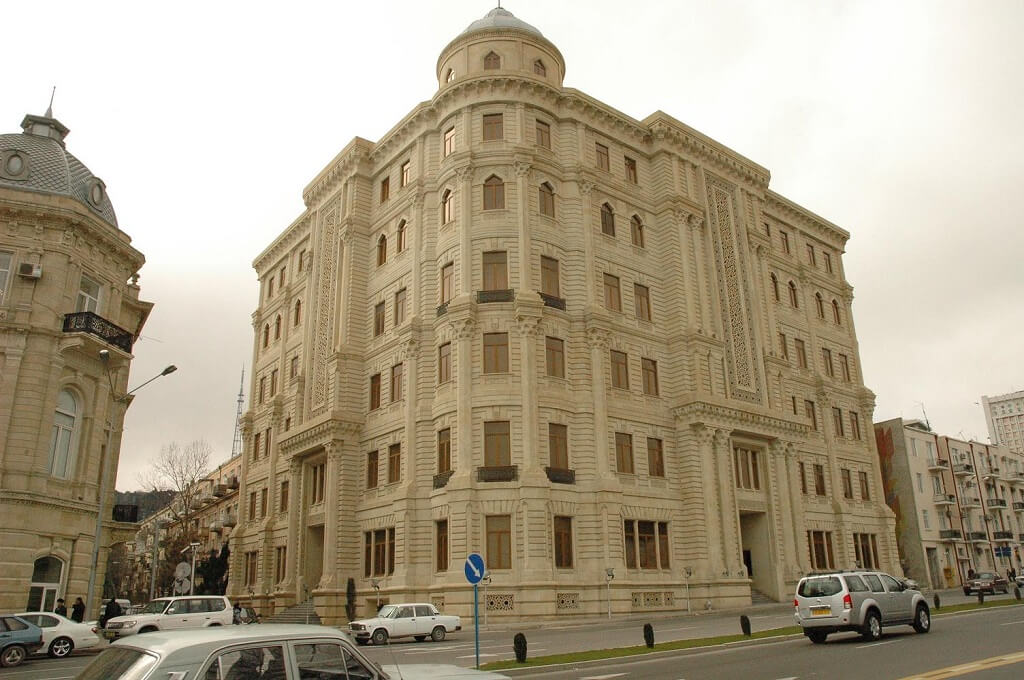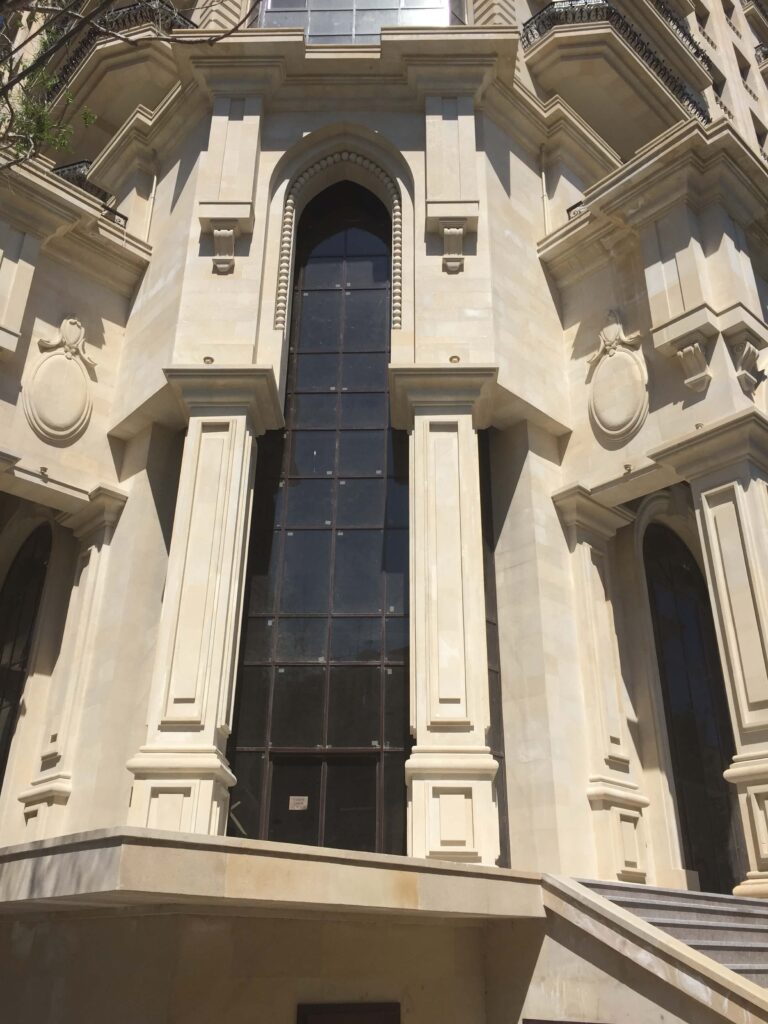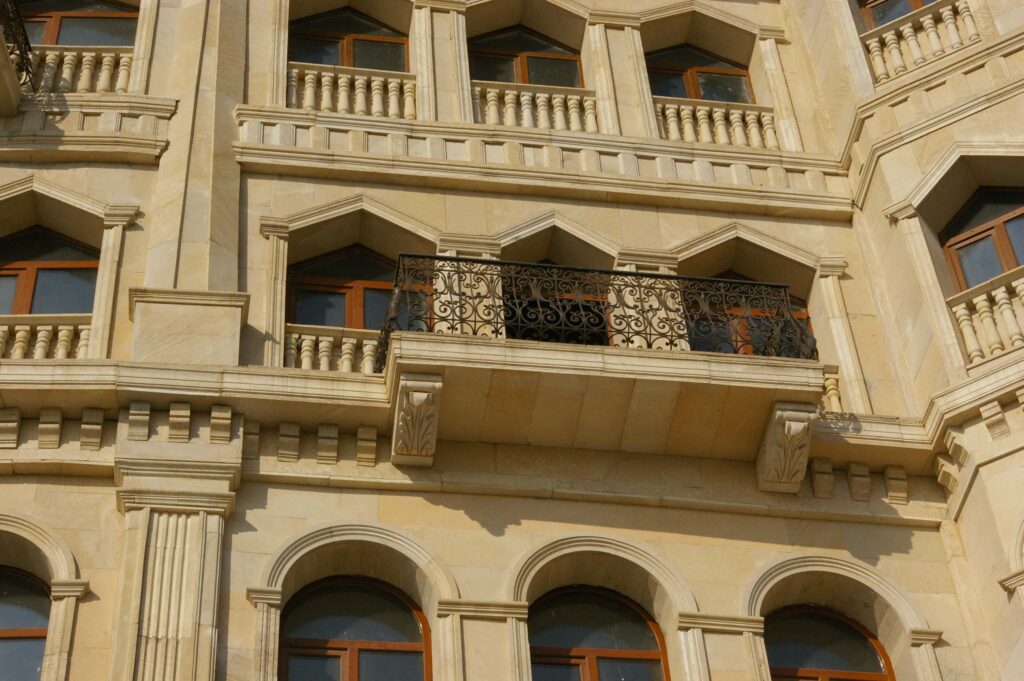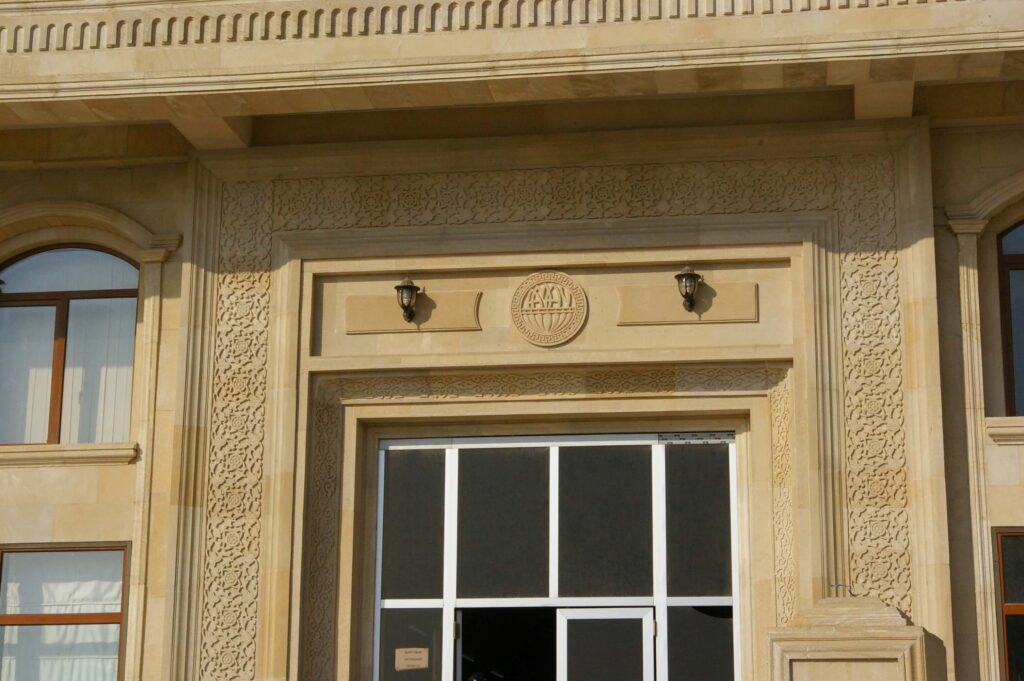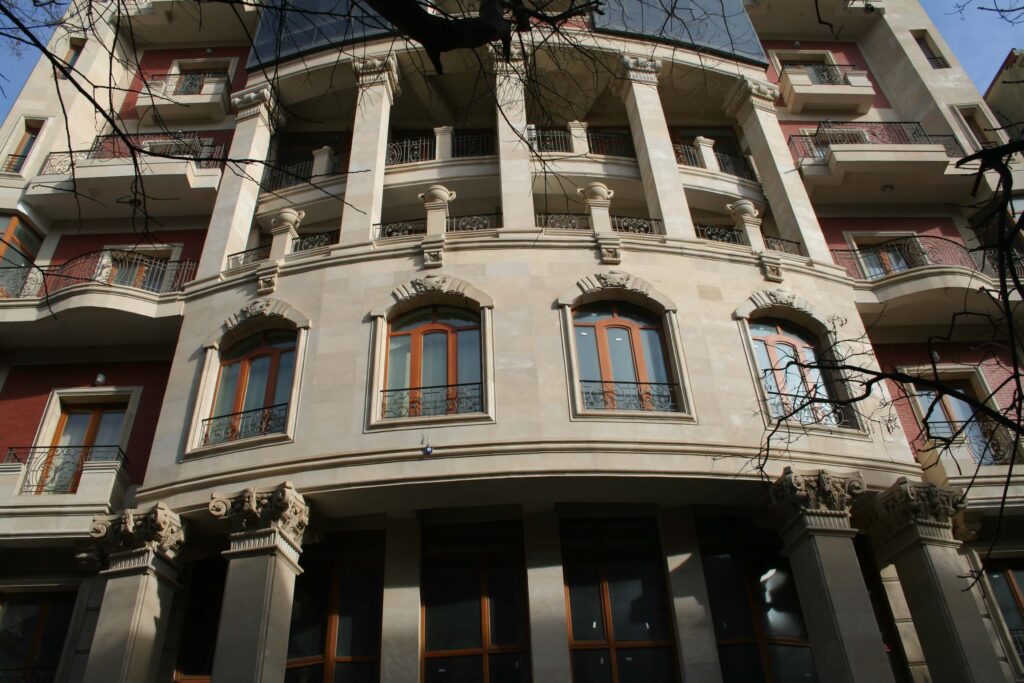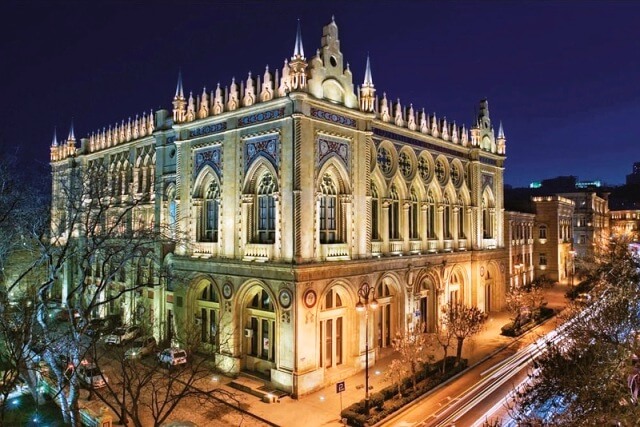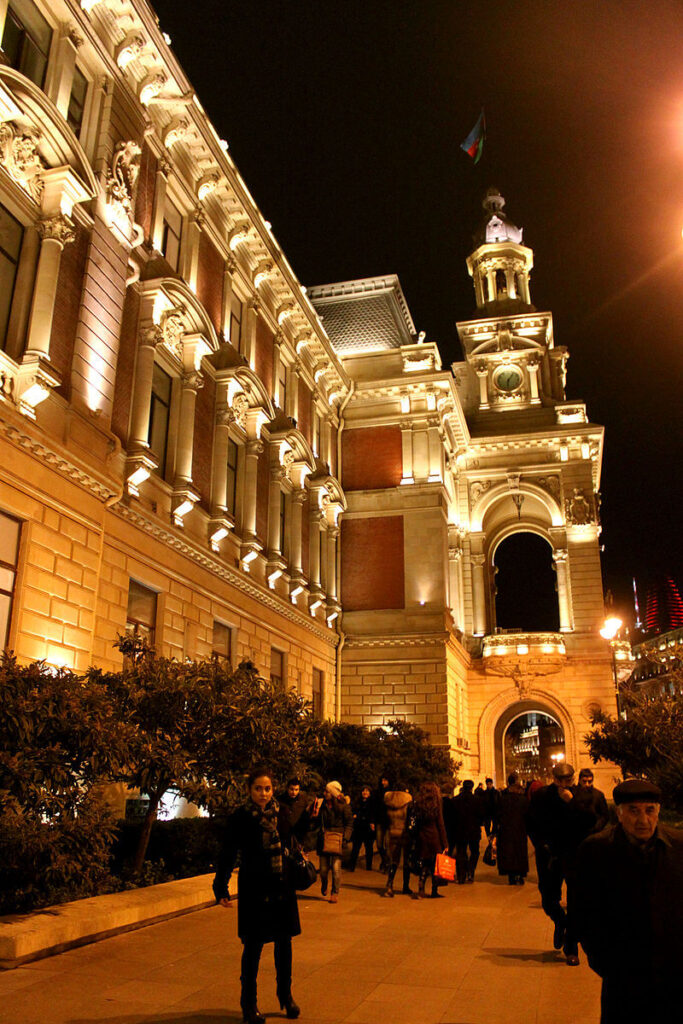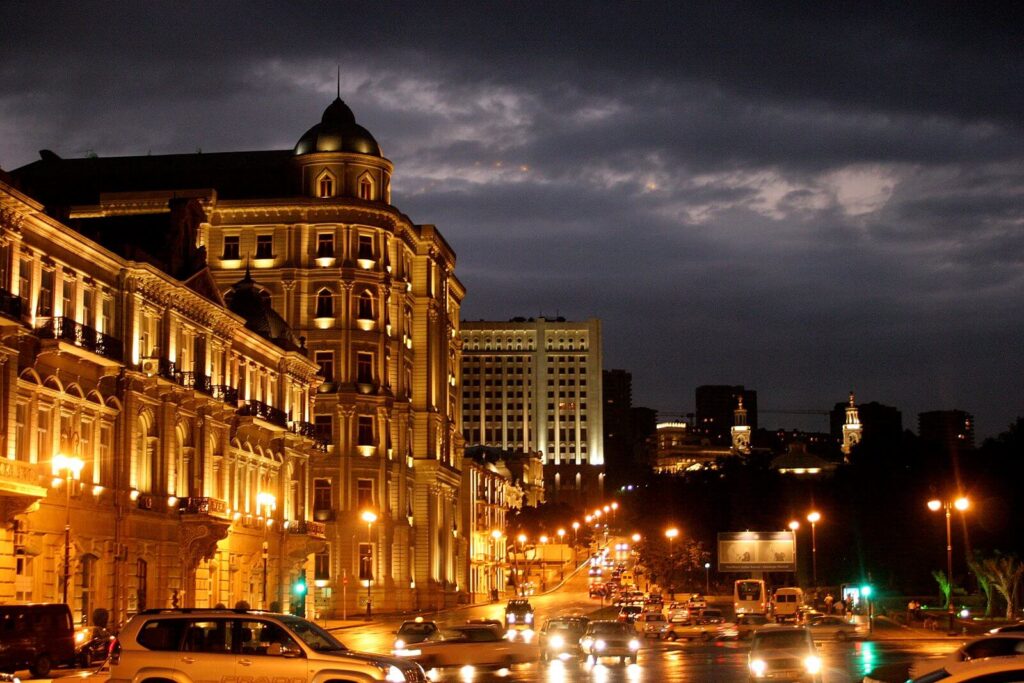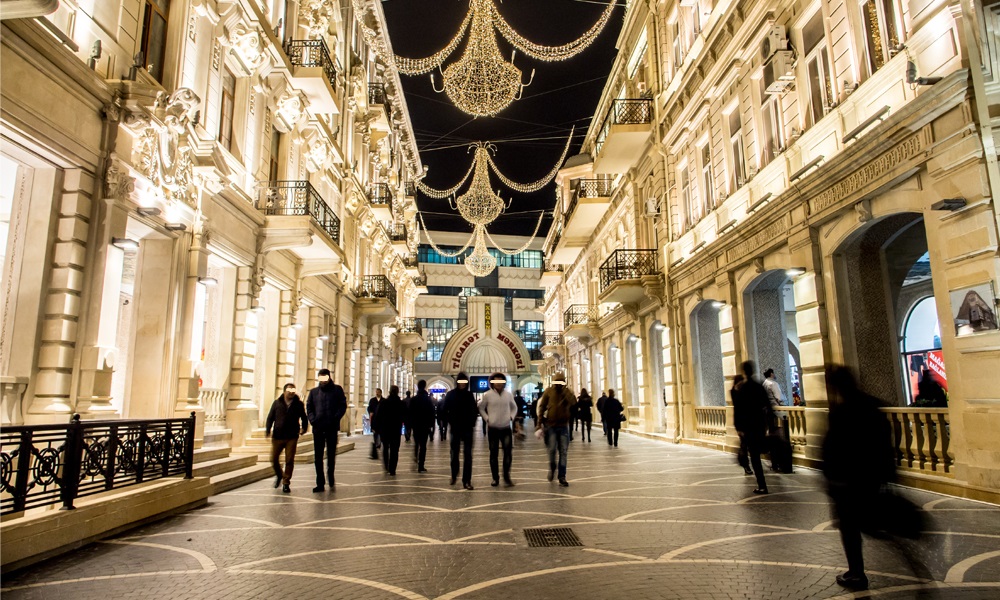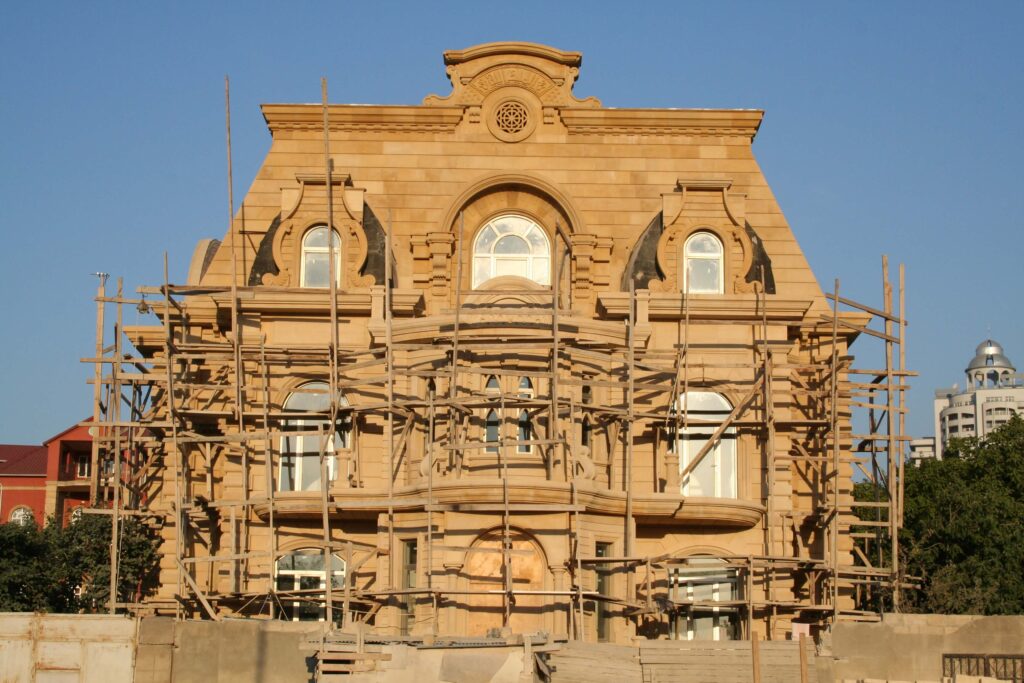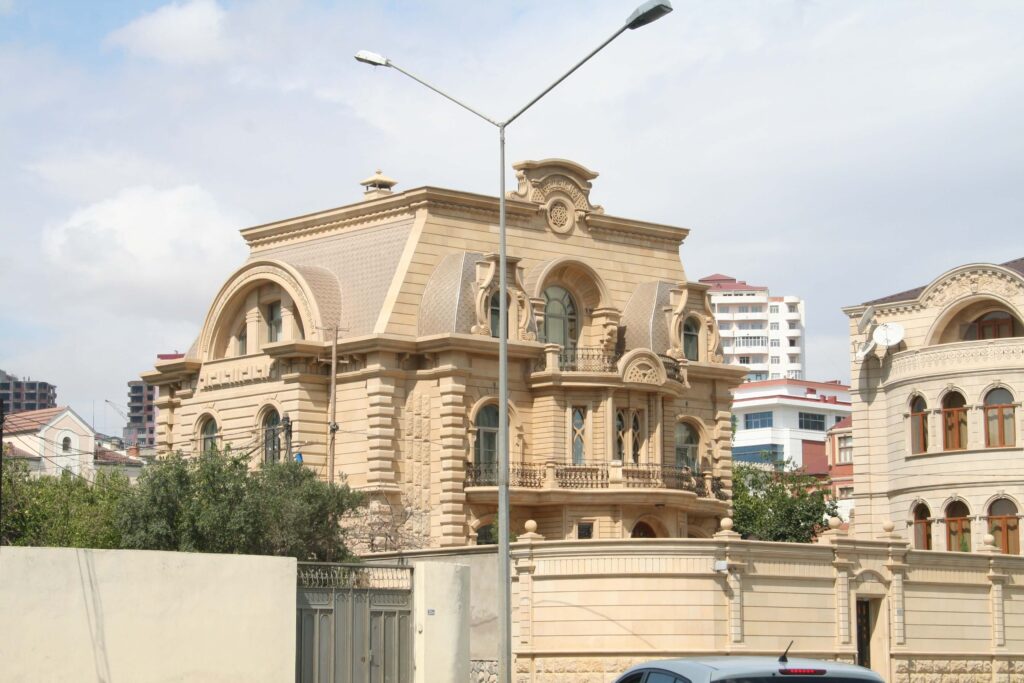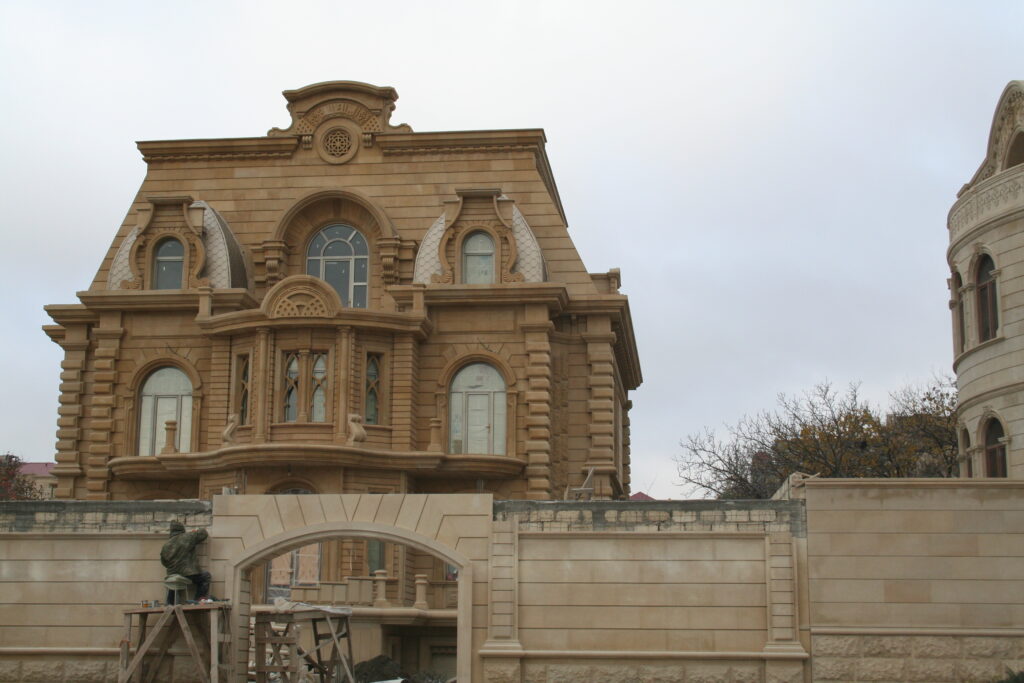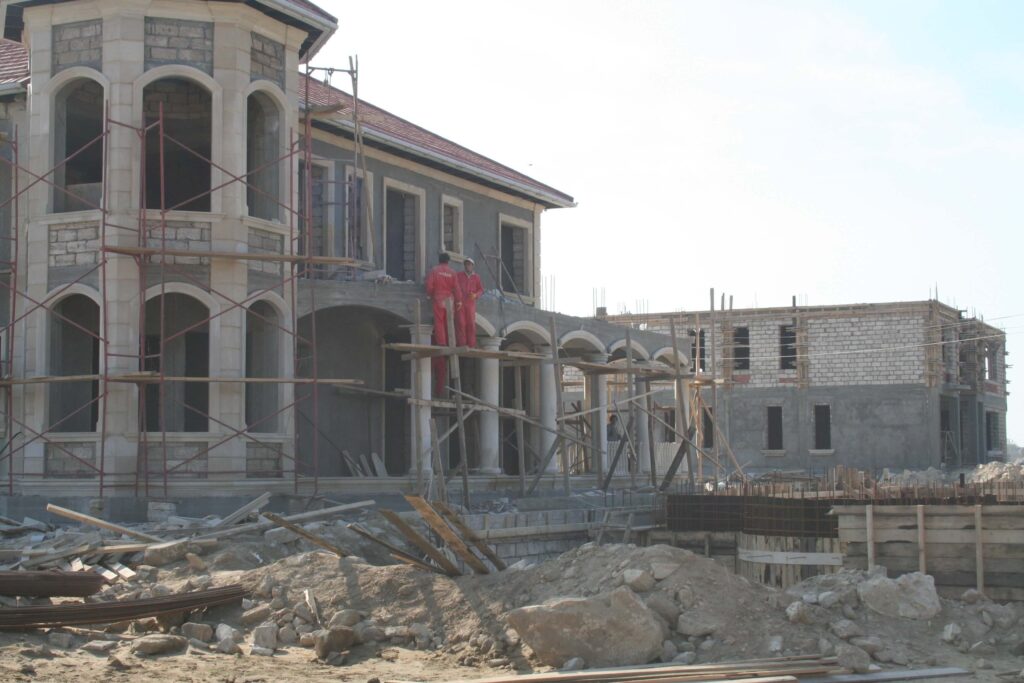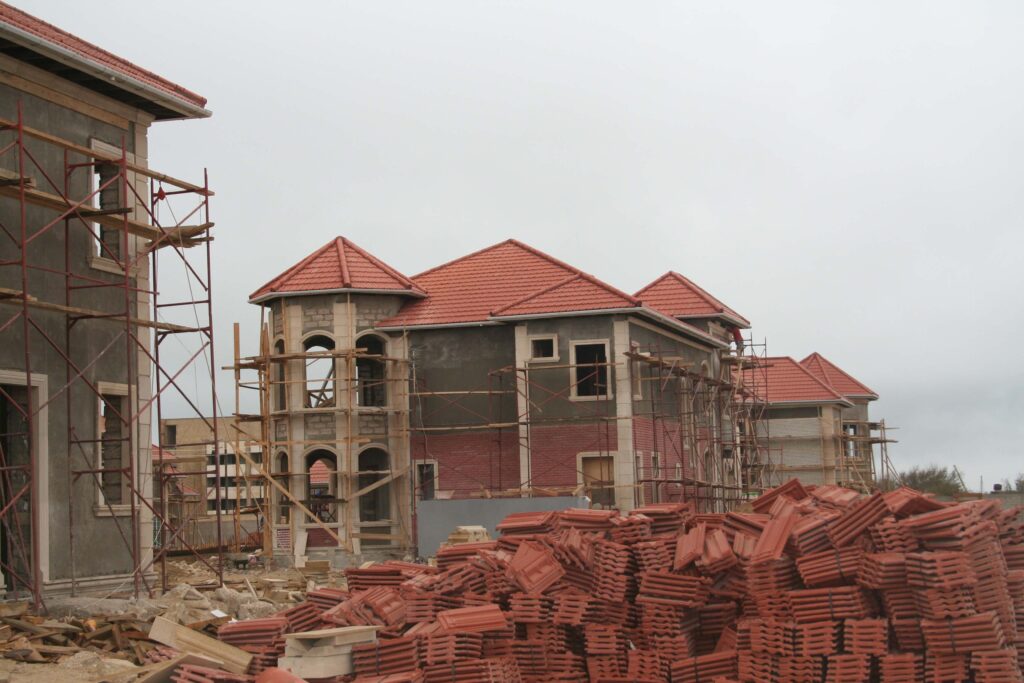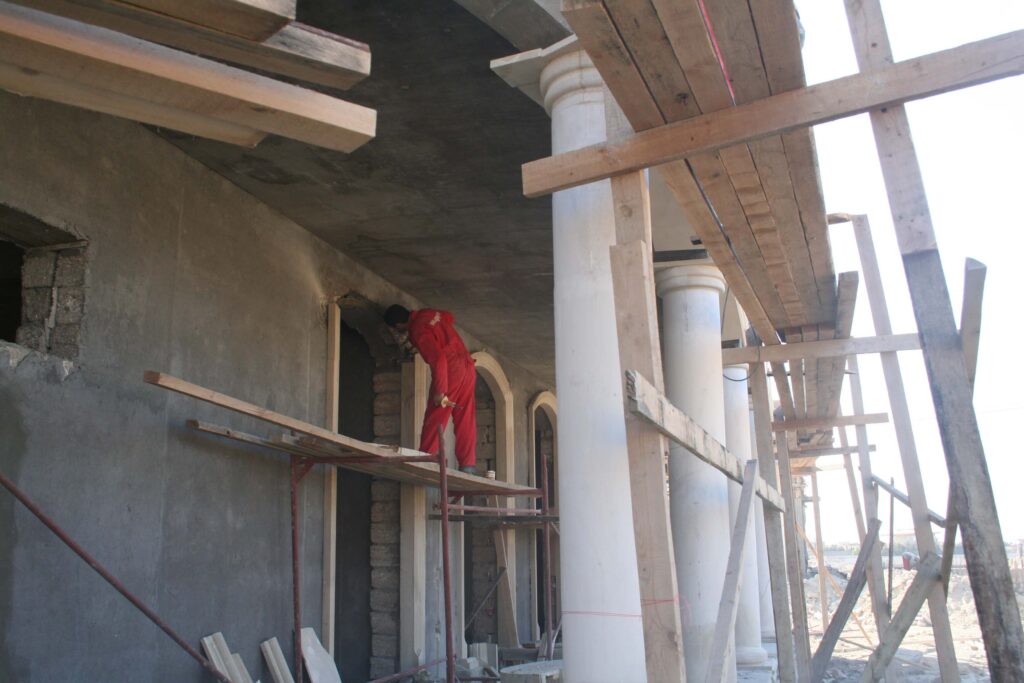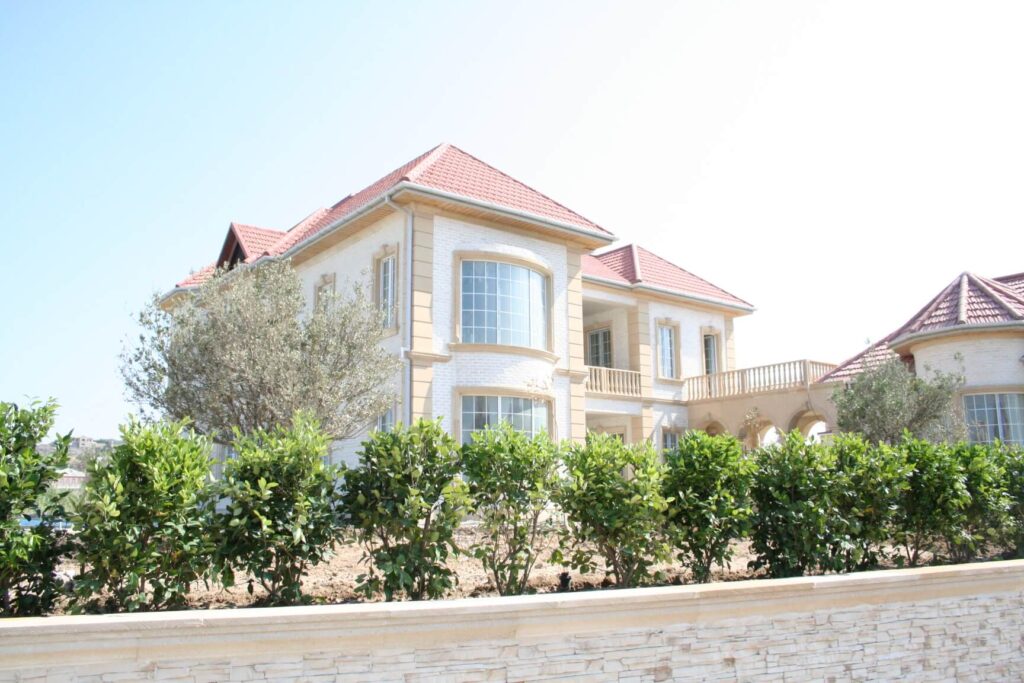


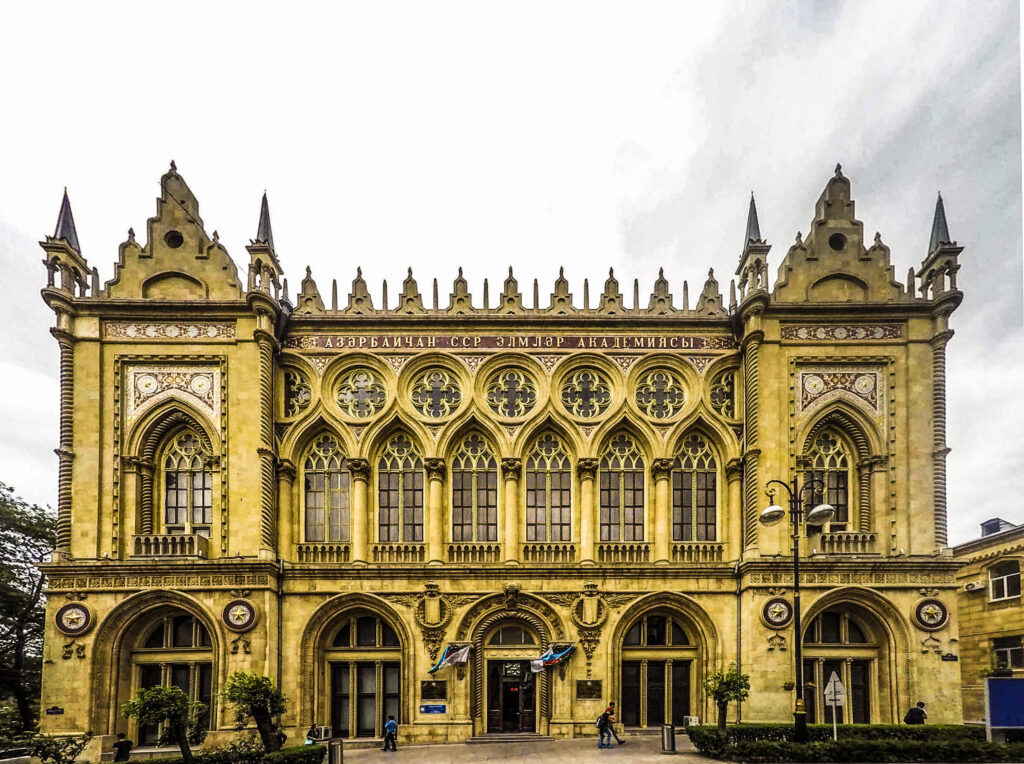
Ismailiyye Palace
Architect I.K.Ploshko 1907 y
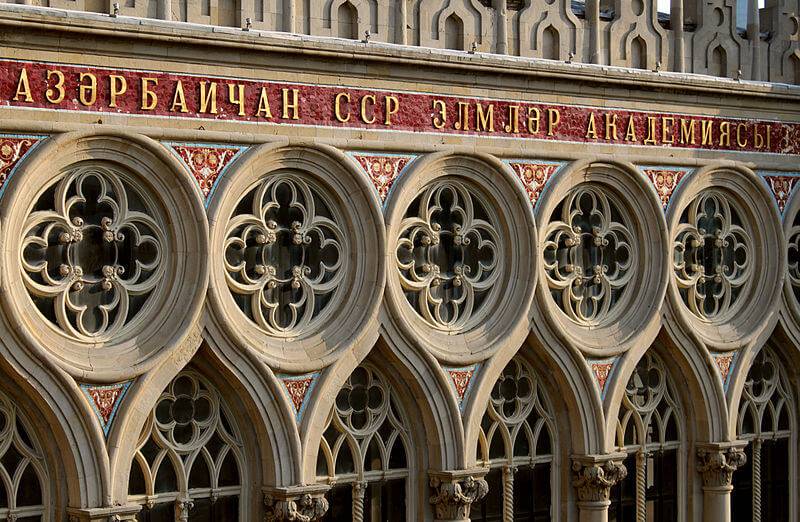
Ismailiyye Palace
Architect I.K.Ploshko 1907 y

Ismailiyye Palace
Architect I.K.Ploshko 1907 y

Mokhtarov’s House
Architect I.K.Ploshko 1907 y

Mukhtarov’s House
Architect I.K.Ploshko 1907 y

Mayoralty of Baku
Architect V. Goslavskiy 1870 -1900 y

Mayoralty of Baku
Architect V. Goslavskiy 1870 -1900 y
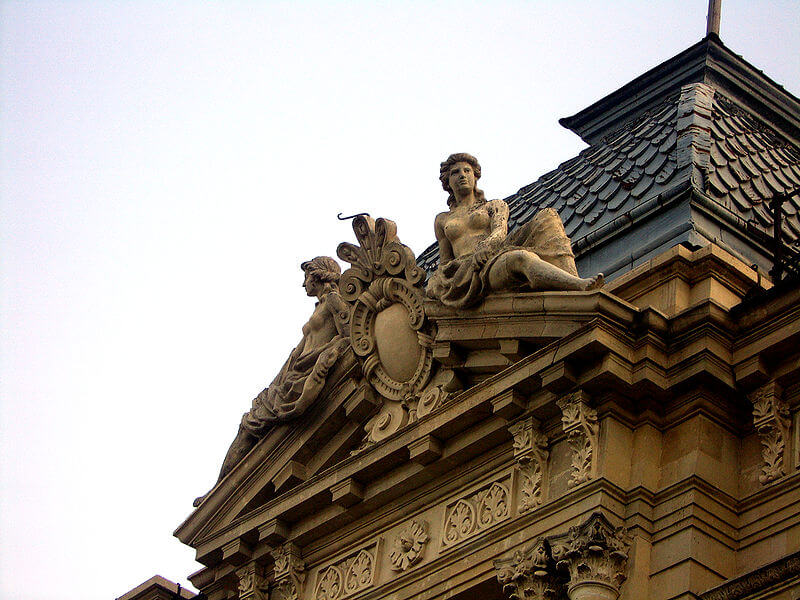
Mayoralty of Baku
Architect V. Goslavskiy 1870 -1900 y

Mirtağı Babayev’s House
Mirtağı Babayev’s House

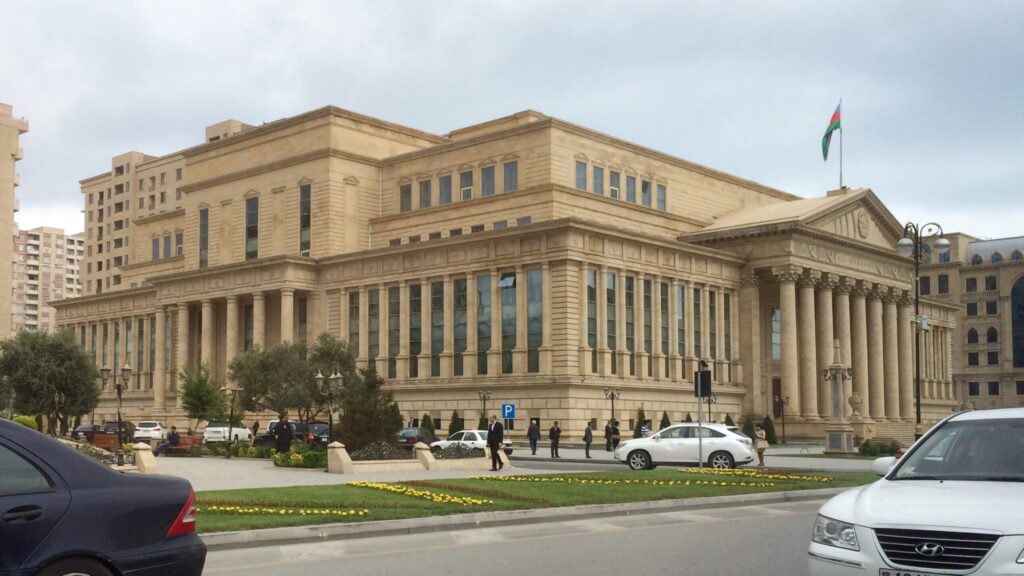
Musical Theatr
Baku 1902 -1904 y

Musical Theatr
Baku 1902 -1904 y

Bank of Tbilisi
Baku 1900 y

Tagiyev’s House
Baku 1899 - 1901 y

Debura’s House 1888
Debura's House 1888

Debura’s House 1888
Debura's House 1888

Baku Real College
Architect D.DBuynoe1901-1904

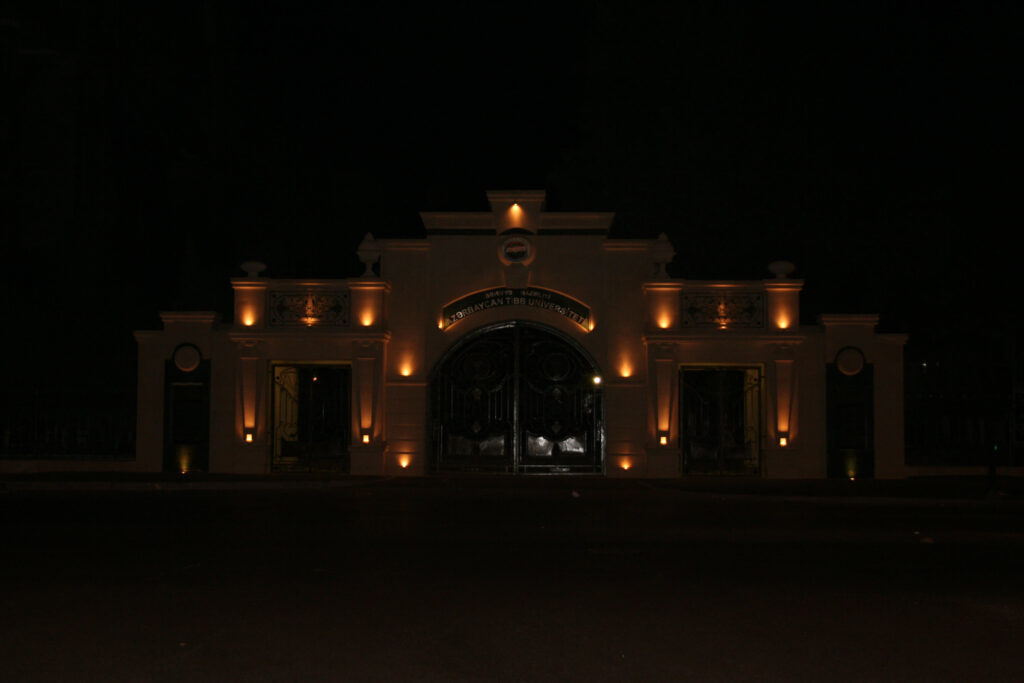
Gate Solution
Baku 1960-1980 y

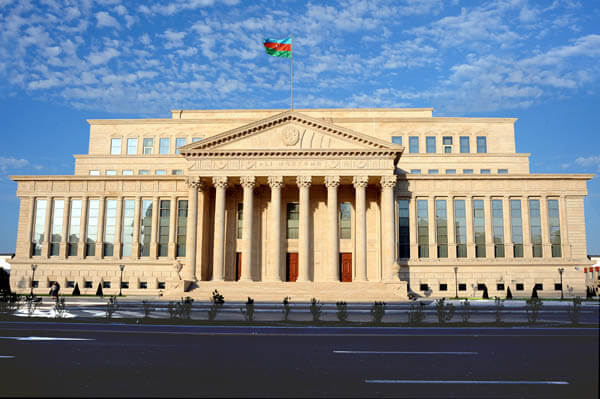
Government House
Baku 1960-1980 y
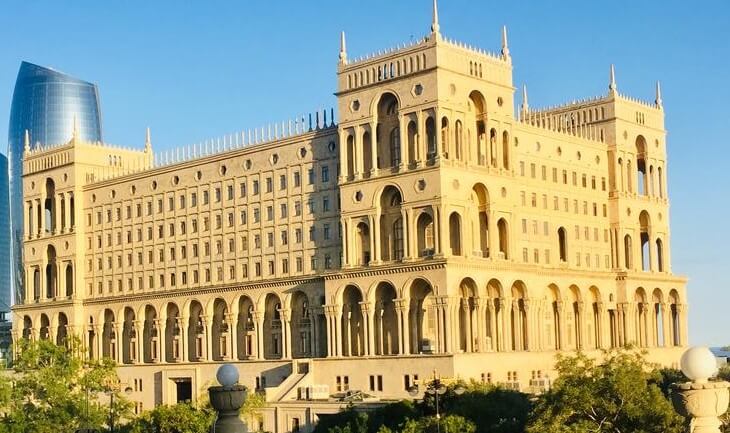
Government House
Baku 1960-1980 y

Government House
Baku 1960 - 1980

Baku 1960 – 1980
Baku 1960 - 1980

Baku 1960 – 1980
Baku 1960 - 1980

Gate Solution
Architect V. Goslavskiy 1900 -1904 y

Ismailiyye Palace
Architect I.K.Ploshko 1907 y

Gate Solution
Baku 1960 - 1980

Window Solution
Architect V. Goslavskiy 1900 -1904 y

Window Solution
Architect V. Goslavskiy 1900 -1904 y

Window Solution
Baku 1870-1918

Window Solution
Baku 1870-1918

Gate Solution
Baku 1870-1918

Mayoralty of Baku
Architect V. Goslavskiy 1870 -1900 y

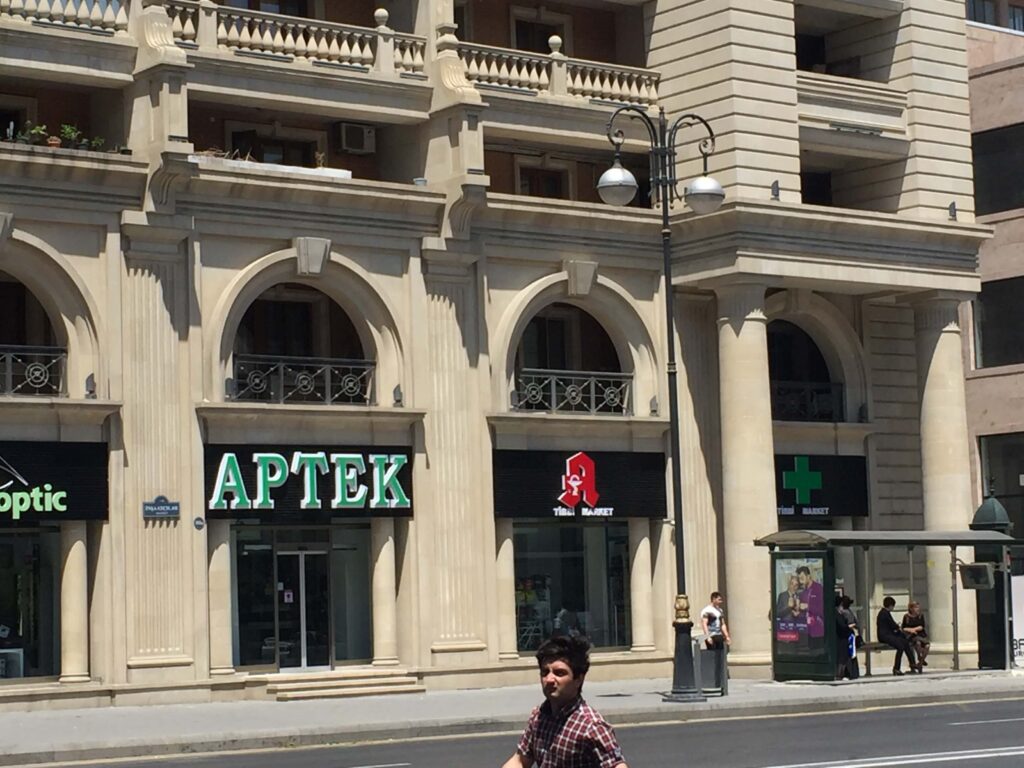
Residential Building
Baku 1960 - 1980

Residential Building
Baku 1960 - 1980
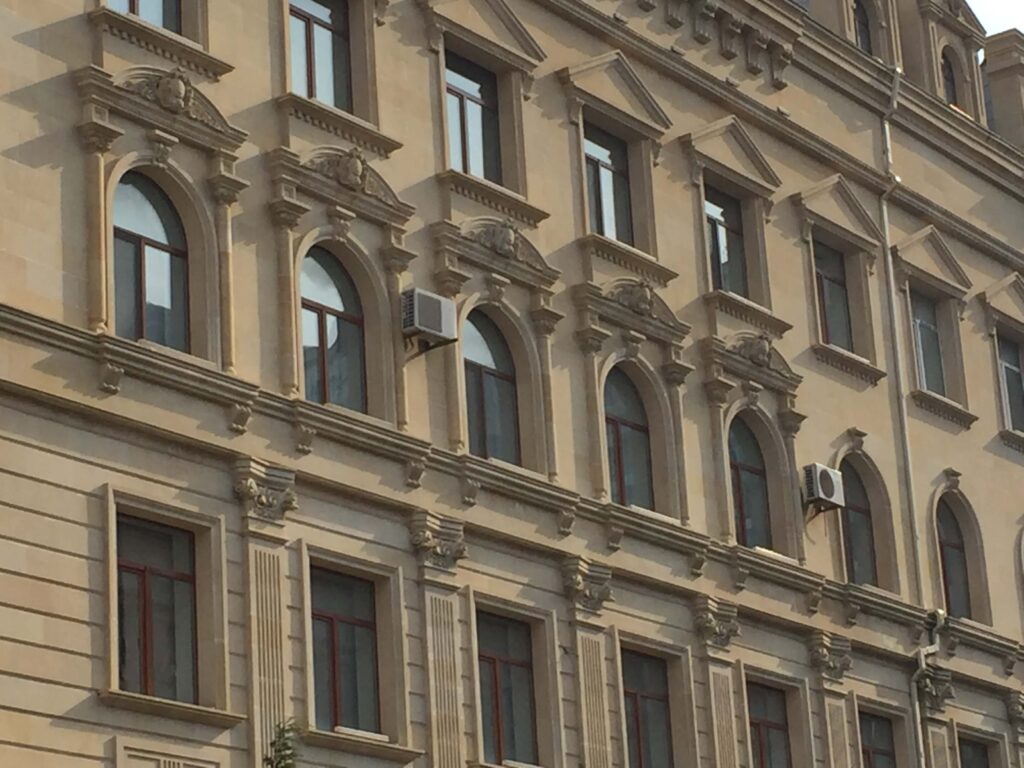
Window Solution
Baku 1960 - 1980 y

Socle Tiles
Baku 1960 - 1980 y

Restaurant Caravan
Baku 1960-1980 y

Church
Baku 1960 - 1980 y